
Updated: September 2026
The best book about singing depends on what's actually holding you back, because singing books fall into three camps.
If you want to train the instrument — breath, registration, resonance — Beginning Singing is a gentle on-ramp, a short, science-true book that opens with why we stop singing rather than with breathing diagrams. If you want to understand the voice as a physical instrument, Anatomy of the Voice is the illustrated reference teachers keep on their desk, while The Singing Athlete by puts the nervous system at the center and explains why a voice that's fine at home vanishes the moment someone listens. And if your block was never your throat but the fear, the freezing, the cringing at your own voice, you belong in the mind-and-stage group, where Sing Anyway by Linor Oren (yours truly) clears the fear first and then builds the voice with body and technique together.
Disclaimer: I'm an author of one of these books (Sing Anyway). So while I try to provide fair judgments of the other books, just know that this will be slightly harder for my own book.
When you purchase through links on our site, I may earn an affiliate commission. Here’s how it works.
General books about singingTrain the instrument: breath, registration, resonance
| Book | Best for | Rating | Price | |
|---|---|---|---|---|
| Beginning Singing | Nervous beginners who want to understand the voice before blaming their "talent" | ★★★★★ | $19.95 | View |
| Set Your Voice Free | Self-conscious singers who also speak for a living | ★★★★☆ | $27.97 | View |
| The Contemporary Singer | Beginner-to-intermediate contemporary & band singers wanting structure | ★★★★★ | $23.99 | View |
| Master Your Voice | Beginners & singer-songwriters trying to shed their influences | ★★★★★ | $14.95 | View |
The voice as a physical instrumentSee the mechanism, muscle by muscle
| Book | Best for | Rating | Price | |
|---|---|---|---|---|
| Anatomy of the Voice | Teachers & serious students who want to really see the instrument | ★★★★★ | $18.35 | View |
| The Singing Athlete | Solid singers hitting an unexplained wall of nerves or inconsistency | ★★★★★ | $40.83 | View |
Mind & stage: the performing singerWhen the block was never your throat, but the fear
| Book | Best for | Rating | Price | |
|---|---|---|---|---|
| The Art of Singing | Singers whose block is in the head and heart, not the throat | ★★★★☆ | $24.99 | View |
| The Fear of Singing Breakthrough Program | The absolute, terrified beginner too scared to make a sound | ★★★★☆ | $24.00 | View |
| Master Your Voice | Singers past square one, stuck on identity & the nerve to commit | ★★★★★ | $14.95 | View |
| Sing AnywayBy SingWell | The "Little Mouse" told they can't sing — clear the fear, then build the voice | ★★★★★ | $16.99 | View |
Memoirs: the singer's lifeWhat singing means when the voice becomes part of who you are
| Book | Best for | Rating | Price | |
|---|---|---|---|---|
| The Lost Voice | Singers whose voice is tied closely to their identity, especially after illness, injury or vocal change | ★★★★★ | $11.00 | View |
| The Inner Voice | Serious singers & anyone curious about what a professional singing career really looks like | ★★★★☆ | $15.00 | View |
| My Name Is Barbra | Singers interested in stage fright, perfectionism & the psychology of performing | ★★★★☆ | $19.00 | View |
Prices and ratings change often — check the current listing before buying. When you buy through these links, I may earn an affiliate commission.
General books about singing
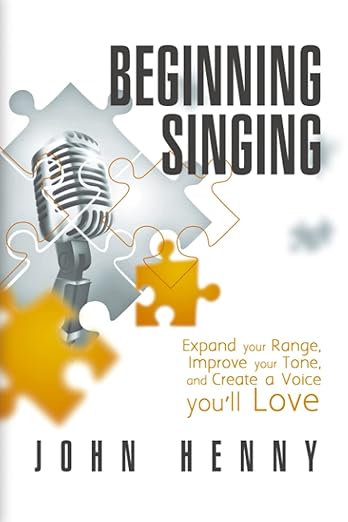
Beginning Singing
Author: John Henny
Subtitle: Expand Your Range, Improve Your Tone, and Create a Voice You'll Love
Rating: ~4.7 stars, 200+ ratings
Verdict: It nails its job. A short, warm, science-true on-ramp that rebuilds your confidence while it teaches you. Concise is the point, not a flaw.
Price: $19.95 on Amazon
The book's overview
We expected a technique primer and got a gut-punch in the first chapter. Henny opens not with breathing diagrams but with why we stop singing. The adult who went quiet after one cruel comment. The conviction that the voice was never broken, just buried. He even cops to his own wound: a Glaswegian father booming "that's bloody terrible" at nine-year-old John. Linor has met that singer in her studio a thousand times. She was that singer, humming to herself in empty bus shelters until she was twenty-one. So when Henny says the gift is already in there and tone-deafness is almost never the problem, we don't just agree. We want to stand up and cheer!
Then Henny does the thing we respect most: he hands you the science without making you feel stupid. Breathing, sound-making, resonance, and his real love, registration, all explained like a friend talking you through it, with exercises and a free site of videos and scales to back it up. It's 130 pages. It's a map, not the whole territory, and it's honest about that.
For you?
Best for: you, if you've been told you can't sing and you want to finally understand what's actually going on in there before you blame your "talent." Beginners and nervous re-starters especially. And, tellingly, the voice teachers in the reviews who keep stealing his explanations for their own students.
Skip it if: you need pitch and ear-training drills. It doesn't cover them, and one reviewer was rightly annoyed. Skip it too if you want a deep, slow method that circles back on each topic. And please don't buy only the audiobook. The exercises live on the page.
Our take
Henny and your author start from the same belief, clear the fear first and the voice follows, and he marries it to real, accessible science, which is rarer than it should be. But manage your expectations. This is a book about understanding your instrument, not yet about the inner work or walking onto a stage. It loosens the first knot. You'll want more after it, and that's exactly what a good beginner's book should leave you feeling.
Set Your Voice Free
Author: Roger Love
Subtitle: How to get the singing or speaking voice you want
Rating: ~4.4 stars, 197 ratings
Verdict: It does what it sets out to. A friendly, confidence-building system anchored by one strong, teachable idea, with real audio to practice against. It's pitched squarely at beginner-to-intermediate and knows it. Decades of steady sales and a wall of grateful reviews say the middle-voice approach lands for a lot of people.
Price: $27.97 on Amazon
The book's overview
Roger Love is about as close to a household name as the vocal world gets. He's coached the Beach Boys, the Jacksons, and a parade of actors and speakers from Gwen Stefani to Tony Robbins, and this is the book that put his method in everyone's hands. It's built around one idea he's been preaching for thirty years: the middle voice, the blended place between your chest and head registers where you can travel your whole range without straining or cracking. Add his diaphragmatic-breathing work and a daily warm-up routine (originally a bound-in CD, now online audio), and you've got an actual do-it-at-home program, not just a book you read once and shelve.
One thing to know before you buy. It's a singing and speaking book, and it leans hard into both. The chapters literally split. Extras for singers (vibrato, riffs, stage presence) sit right beside extras for speakers (pacing, tone, gesture). For some of you that's two books for the price of one. For others it's half a book about something you didn't come for.
For you?
Best for: the self-conscious singer who can't stand the sound of their own voice and wants a warm, clear, exercise-driven on-ramp. And especially the working singer who also talks for a living: the wedding host patting between songs, the event MC, the voiceover artist. The daily warm-up is the real treasure here, and the reviewers who actually commit to it report their voice shifting within days.
Skip it if: you want a pure singing method with no detours into meetings and voicemail greetings, or you're after deep performance-psychology work. There's a "songs without fear" thread, but it's a chapter, not the heart of the book. And go in knowing the famous-client roster gets heavy. More than a few readers feel the name-dropping crowds out the teaching, and the book steers you toward his paid program to get the full benefit.
Our take
Roger and Linor agree on the thing that matters most. He doesn't buy the "you can't sing" story either, and he treats the voice as trainable for absolutely everyone. The middle-voice work is useful, and I'd happily point a nervous beginner straight at that daily warm-up. Where I pull back: a book and a recording can't hear you, and you can feel that ceiling in the reviews. People doing the exercises alone, unsure whether they've actually found it. It'll carry you a real distance solo, but not all the way, and it spends more breath on his résumé than I'd like. As a confidence-and-technique starter kit, though, particularly if your voice has to speak as well as sing, it earns its spot.
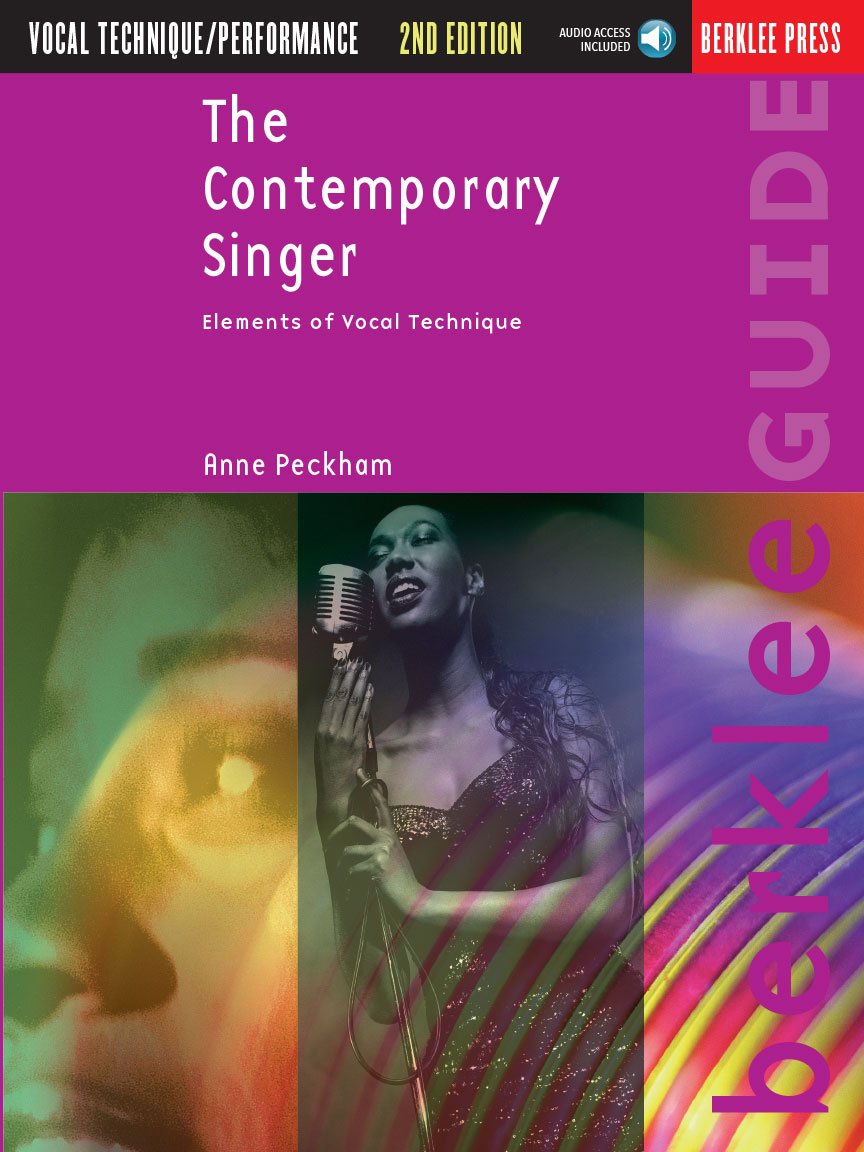
The Contemporary Singer
Author: Anne Peckham
Subtitle: Elements of vocal technique
Rating: ~4.7 stars, 346 ratings
Verdict: It does exactly what a Berklee text should. Comprehensive, methodical, honest, with an exercise library as its real engine. A few quirks worth knowing: the in-book exercises aren't printed in playing order, the audio demonstrates each one only once before dropping to piano, and the "high voice" examples are sung by a man, which trips some sopranos up. None of it sinks the book.
Price: $23.99 on Amazon
The book's overview
This is about as close as contemporary singing gets to a standard textbook. It's the assigned text for Berklee's intro voice course, and that's both its strength and the thing to know before you buy. Peckham took conservatory rigor and aimed it squarely at pop, rock, and everything contemporary, a project close to our own heart. Linor trained classically and spent years being told that was the only "real" foundation, so there's a quiet pleasure in watching a Berklee teacher calmly take that idea apart. It's clear, well-organized, and readable. The vocal-anatomy chapters especially, with their diagrams, are the bit readers keep naming as the moment the instrument finally clicked.
What you're really buying is a course in a box. The mechanics (breath, registration, resonance, diction, vocal health) laid out plainly, real working-singer guidance like how far to stand off the mic and how to read a room, and a companion set of exercises. The warm-ups are graded beginner to advanced, recorded for both male and female voices, and people use them daily and credit them with real progress. Practical heads-up: the audio now comes as an online code, so a used copy may arrive with it already redeemed. Buy new if you want the warm-ups.
For you?
Best for: the beginner-to-intermediate contemporary singer who wants a trustworthy, structured foundation. Especially the band or gigging singer who wants the mechanics and the practical stage stuff in one place. It's also a natural fit if you're in lessons or about to start, because it makes you fitter for a coach's time rather than replacing them.
Skip it if: you're advanced or classically trained and after real depth. More than one schooled singer has found it a surface-level tour of things they already knew. And if your block is the inner game, look elsewhere. There's a nod to performance nerves, but this is a technique-and-practice manual, not a book about fear.
Our take
Peckham and we are on the same side of an old argument: that contemporary singing deserves the same serious technique classical always got, minus the snobbery. As a foundation she delivers. A methodical, no-nonsense map of the instrument, with daily warm-ups worth the price on their own. Where I'd set expectations is my usual place. It'll build your voice beautifully, but it won't sit with you through the fear of actually using it in front of people. For the singer who wants to understand and train the mechanism properly, though, especially one who's wary of the classical world, I'd hand it over in a heartbeat.
About the author of Sing Anyway

I’m Linor Oren, founder of SingWell. I have an opera background and in the past I've performed on stage. I've taught hundreds of students how to find their authentic voice. What I’ve learned is that singing isn’t about being “born with it” — it’s about unlocking what’s already inside you with the right tools and guidance. My passion is helping singers at every level grow in confidence, technique, and joy, so they can sing with freedom and expression.

Master Your Voice
Author: Matt Ramsey
Subtitle: A journey to discover your true singing voice
Rating: ~5.0 stars, 95 ratings
Verdict: It does exactly what it sets out to. A complete, friendly, beginner-to-intermediate roadmap with a clear method, real exercises, and plenty of encouragement. The pyramid gives it a backbone a lot of singing books lack, and his personal stories (including the time someone lobbed a beer can at him early on) earn him the right to talk about fear and self-doubt.
Price: $14.95 on Amazon
The book's overview
Matt Ramsey is one of the biggest vocal coaches on the internet. His Ramsey Voice Studio channel has taught millions, and this 2025 book distils a decade-plus of that teaching into one place. Its spine is the Perfect Performance Pyramid, a deliberate order of operations that walks you up from range, to pitch, through chest, head and mixed voice, into musicality, and finally to the peak, your own style. That arc is the whole point: getting you from imitator to original.
That thesis is what lifts it above a plain technique manual. Ramsey's conviction is that most of us learned by copying our heroes and got stuck there, and his real aim is to help you stop sounding like a copy and find the voice that's actually yours. He builds it on useful, daftly-named exercises readers rave about: the 5-Tone Count for stability, the Bratty Nay for highs without strain, the Yawny Mum for releasing throat tension. And he backs nearly every concept with free linked videos, because singing has to be heard to be learned. He's also light on the upsell, which for a coach with courses to sell is rarer than it should be.
For you?
Best for: the self-conscious beginner or karaoke-curious adult who wants a warm, funny, science-backed coach in book form. And especially the singer-songwriter or band singer trying to shed their influences and sound like themselves. Roughly a third of it is given to the inner game (why you cringe at your own recordings, performance nerves, the vulnerability of it), which puts it closer to my territory than most technique books get.
Skip it if: you want a terse reference or a classical method. This is conversational, story-driven, 250-odd pages of an enthusiastic teacher talking, and it leans on its companion videos, so the text alone is only half the system. Advanced singers may find the foundations familiar, though the unique-voice framing still has something to offer.
Our take
Of all the contemporary-technique books here, this is the one that most shares Linor’s instincts. Ramsey doesn't buy the "you can't sing" story, treats the voice as trainable for everyone, and spends real ink on the emotional side most coaches skip. Tellingly, John Henny himself gave it a glowing review, so these two are kindred spirits. One caveat: it covers a lot of the same ground as Henny's book in this cluster, just longer and more framework-and-exercise-driven, so you may not need both. And his psychology is mostly in service of confidence and finding your sound. The deeper work of clearing the fear, the part we at SingWell care most about, he opens the door to rather than walks all the way through. But as a warm, modern, do-it-at-home foundation, especially if you're tired of singing in someone else's voice, it's an easy one to recommend.
Books about the voice as a physical instrument
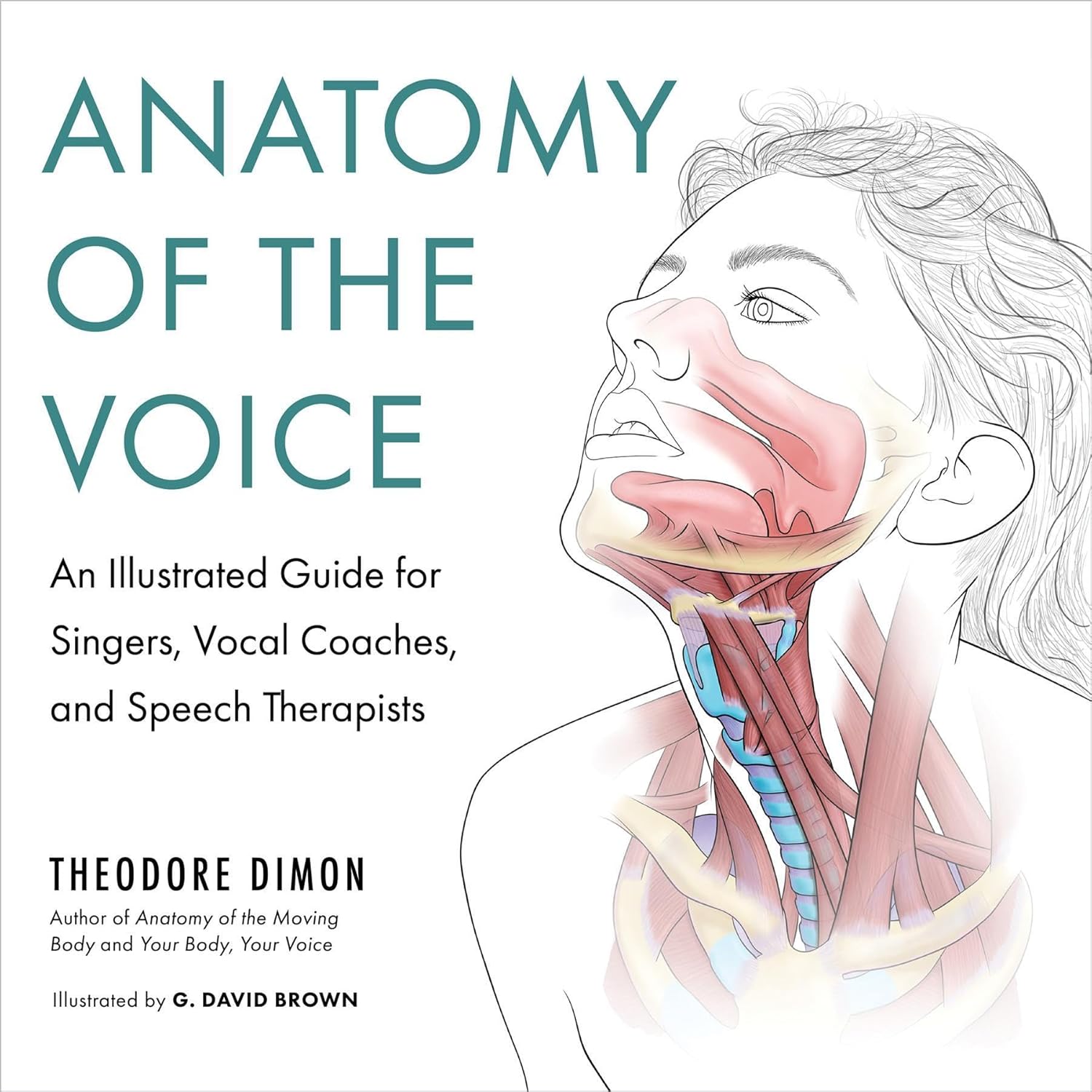
Anatomy of the Voice
Author: Theodore Dimon Jr - Illustrations by G. David Brown
Subtitle: An Illustrated Guide for Singers, Vocal Coaches, and Speech Therapists
Rating: ~4.8 stars, 778 ratings
Verdict: As a foundational anatomy guide for voice people, it's superb. Clear, logically layered, and visually unmatched, which is why teachers keep it on the desk and reach for it mid-lesson. Two fair caveats from credentialed readers: a few have flagged specific anatomical errors, and there's no bibliography. So treat it as an accessible map rather than the last word, and pair it with a clinical text if you need sources
Price: $18.35 on Amazon
The book's overview
We have to declare a soft spot before saying anything else. Dimon is an authority on the Alexander Technique, which runs straight through Linor’s own teaching and Linor’s own book (see below), so picking this up felt like meeting family. It's a small, gorgeous atlas of the singing instrument: 120 pages, six chapters, and more than a hundred of G. David Brown's illustrations, which everyone (me included) agrees are the heart of it. Dimon builds the voice up in layers. Breathing (ribs, spine, diaphragm), the larynx and its intrinsic muscles, the extrinsic muscles that suspend it, the mouth and pharynx, the face and jaw, then a quietly mind-expanding closing chapter on how the larynx evolved as a pressure valve long before it ever made a note.
What lifts it above a textbook is that he keeps tying structure to sensation. He shows you, anatomically, what happens when a singer "reaches" for a note and the throat clamps, and which muscles let it go. He makes the lovely, useful claim that the throat muscles are the real key to releasing the muscles of the jaw. That's the Alexander lineage talking, and it's exactly the kind of body-truth that changes how you teach.
For you?
Best for: the voice teacher, the serious student, the speech or myofunctional therapist, and the honest vocal nerd who wants to really see the instrument. If you've ever described "support" or "placement" and watched a student's eyes glaze over, this is the book that puts a picture to the words. It's a natural companion to body-based work like Alexander or yoga.
Skip it if: you want to learn to sing. This is the single most important thing to know about it, and it's behind nearly every disappointed review: it's an anatomy reference, not a method. No exercises, no technique, no practice plan, by design. It also uses real anatomical terminology, so a pure beginner may find it heavy going, and if your obstacle is nerves rather than knowledge, this is the wrong shelf entirely.
Our take
I love what this book is, as long as you're clear about what it isn't. Understanding the hardware helps. When you can see where constriction lives, you stop fighting your throat blindly, and Dimon's whole-body, Alexander-informed view is close to my heart: the voice isn't a gadget in your neck, it's your whole self moving air. But it stops exactly where my own work begins. It'll show you every muscle involved in singing and not one thing about the fear of opening your mouth in front of people. Buy it to understand your instrument, not to free it, and on that promise it more than delivers.
The Singing Athlete
Author: Andrew Byrne
Subtitle: Brain-Based Training for Your Voice
Rating: ~4.8 stars, 233 ratings
Verdict: It's doing something new and doing it well, the first book to put the nervous system at the centre of voice training, delivered with research, wit, and a video library that makes the drills usable. One fair counterpoint, for honesty: a thoughtful minority argue that fixating on tiny internal mechanics can distract from singing (some motor-learning research favours focusing outward, on the sound), and even enthusiasts find only some drills click for their particular body. So it won't suit every brain.
Price: $40.83 on Amazon
The book's overview
Of every book here, this is the one closest to the ground I actually stand on, which I did not expect from a title with "athlete" in it. Andrew Byrne is one of the most sought-after voice teachers on Broadway (there's a waiting list to study with him in New York), he came up through the Alexander Technique before athletics and neuroscience, and his core idea is that your brain is a survival machine first and a singer second. When it senses threat, it clamps down. Byrne argues it may not register much difference between you falling down a flight of stairs and you reaching for the big climactic note. If you've ever watched a voice you know is there vanish the second someone listens, that's not weakness. That's neurology, and it's exactly what I spend my life on.
The book grew out of his recovery from a near career-ending injury, by way of a neuroscience-for-athletes system called Z-Health. The first chapters are pure brain: threat, neuroplasticity, why a calmer nervous system sings better. The rest moves through the body part by part, the diaphragm, jaw, tongue, ears, eyes, larynx, even scars and tattoos, with drills designed to lower the brain's sense of danger so the voice stops bracing. It's a system, not just a book. Your purchase unlocks a companion site with 150-plus videos showing correct form for every drill, because these are movements, not scales.
For you?
Best for: the working singer or teacher who's technically solid but keeps hitting a wall they can't explain: the inconsistency, the nerves, the note that's fine at home and gone on stage. It's style-blind (opera to heavy metal) and explicitly built to layer onto whatever method you already use, not replace it. Voice teachers especially treat it as a revelation.
Skip it if: you want simple exercises and a quiet life. This is science-dense. More than one reader bailed partway through, feeling like they'd wandered into an anatomy-and-physiology class, and a chunk of the work is far-from-the-instrument body drilling that some find brilliant and others find a step too esoteric. Don't get the audiobook (it's visual and drill-based), and brace for the price. It's the dearest here, and a few buyers grumble the production doesn't quite match it.
Our take
Byrne comes at the fear from the bottom up, neurology, reflexes, drills, where I come at it from the lived, emotional side, and the two meet square in the middle. The voice locks because the body thinks it's in danger, and the whole job is teaching it that it's safe. He even shares my conviction that the cruelty we aim at our own voices is the enemy. One of his mantras, which he makes students say out loud, is "I'm not as broken as I think I am." That's why I rate this book so highly. Where I'd steer you gently: it's a big, brainy commitment, and a nervous beginner may want a gentler doorway in first. But for the singer ready to understand why the voice keeps betraying them under pressure, and to train their way out of it, it's close to essential. Just know what you're signing up for, and budget for it.
Books about mind & stage: the performing singer
The Art of Singing
Author: Jennifer Hamady
Subtitle: Discovering and Developing Your True Voice
Rating: ~4.5 stars, 92 ratings
Verdict: It does beautifully what it sets out to do, get you out of your own way. It's warm, personal, eloquent, and for the right reader transformational. People describe finally "getting it" after years, singing freer, even gaining range in their sixties. Hamady's gift is making you believe the voice is already yours to claim.
Price: $24.99 on Amazon
The book's overview
If any book on this list is a sibling to Linor's, it's this one. Jennifer Hamady was a working singer who became a coach and then a licensed therapist, because she kept hitting the same truth I did: she reckons something like 90% of "vocal" problems are really emotional or fear-based, and technique alone just slaps a band-aid over them. Her central idea is one I could have written myself, that you're finding the voice that was never lost, that it isn't broken, only buried under fear, bad habits, and overthinking. I spent the whole book nodding.
It's short and unashamedly psychological. It moves through the misconceptions we carry about the voice, how language shapes and sabotages singing, how your brain and your particular way of learning get in the way, and then the heart of it, fear and performance anxiety, and how to reclaim joy and confidence. There's a single chapter at the end on actual physiology and technique, plus a companion audio in her own voice. This is a book about clearing the path to your voice, not a manual for building it.
For you?
Best for: the singer whose block is in their head and their heart, not their throat. Someone who's had lessons, even years of them, and still freezes, holds back, or can't stand the sound of themselves. If you were ever told you're "too breathy" or not classical enough and it made you sing smaller, this book is part balm, part permission slip. Teachers and coaches love it as the psychological half their training never gave them.
Skip it if: you want to learn the mechanics of singing. This is the single most important thing to know, and it's behind nearly every critical review: it's roughly 90 pages, much of it a heartfelt case against over-controlling, classical-style instruction, with only one real chapter of technique. Readers expecting a how-to felt short-changed, fairly, if that's what they came for. One more honest flag: some of her framing leans on NLP, which a few science-minded readers consider shaky. And if you buy the Kindle, the audio code is hiding on page two, no matter what Amazon support tells you.
Our take
We'll say it plainly, because you'll spot it anyway: this is the nearest neighbour on the shelf to Linor's own book Sing Anyway (below). Hamady and Linor are chasing the same thing, clear the fear first, and the voice follows. Her lovely formulation is that you get "self-expression or self-protection," not both, and that's exactly the door I try to walk people through. Where we differ is in the doing: she deliberately leaves out the hands-on bodywork and step-by-step practice, where I lean into them. So I'd press this into the hands of any singer whose wall is clearly fear rather than mechanics, and pair it with something more technical for the rest. On its own terms it's lovely, and it's brave. It says the quiet part out loud, that singing is emotional, when most books are too shy to.
The Fear of Singing Breakthrough Program
Author: Nancy Salwen
Rating: ~4.5 stars, 98 ratings
Subtitle: Learn to Sing Even if You Think You Can't Carry a Tune!
Verdict: It does one hard thing well. It gets a frightened person singing, with patience and zero judgment. The exercises are simple but, as more than one reader put it, quietly profound. A music researcher studying fear of singing found it matched her findings so closely it moved her to tears. For its actual purpose, it's among the best things out there.
Price: $24.00 on Amazon
The book's overview
I'll be upfront, because you'd see it the moment you read both. Of every book here, this one sits closest to my own. Nancy Salwen wrote it for exactly the person I wrote mine for: the one who's been told they can't sing, who's frightened of their own voice, who's spent a lifetime mouthing the words in the back row. Her first chapter is called "Singing Is Your Birthright," a sentence I could have written in my sleep. So take what follows as praise from someone in the same fight, not faint praise from a rival.
The book comes in two halves, and that's the key to it. The first, roughly ninety pages, is all fear: gentle, well-built exercises to find what's blocking you, loosen it, and give yourself permission to make a sound at all. Only then does she move into actual singing, kind, doable basics like matching a pitch, droning, shaping a simple song, backed by audio, videos, and a website. It's a hand held out to someone at the very edge of singing, not a training plan for someone already in the water.
For you?
Best for: the absolute, terrified beginner, the person for whom every other "learn to sing" book is useless because they're too scared to open their mouth in the first place. Salwen meets them with real warmth, which is why so many reviewers in their sixties and seventies say they sang for the first time in decades after reading it. It's quietly good, too, for anyone wrestling performance anxiety beyond singing, and for teachers who want to understand their most nervous students.
Skip it if: you can already carry a tune and you want technique. This is the most common complaint, and it's fair if you buy the wrong book for you. The fear-work dominates, the singing skills are deliberately basic, and a reader hungry for drills and range-building will find it thin and call the psychology "fluff." It isn't a method for developing an established voice, by design.
Our take
Since this is the book closest to Linor's, let us be useful rather than coy. Salwen and SingWell believe the identical thing, that the fear comes first and the voice was never the problem, so if her reviews are speaking to you, you and Linor would get along. Where we part is how far we walk with you. Hers is the tender first door: cross the fear, find a pitch, taste the joy. Linor's carries on from there into the bodywork she leans on, the Alexander, breath, and movement side, and a fuller method for what comes once the fear lifts. So if you're standing terrified at the threshold, hers is a lovely place to start and we'd hand it over gladly. If you want the next mile of the road too, that's the book Linor wrote: Sing Anyway (below). Either way, you belong in the music, the one thing she and I both refuse to let you forget.
What are your singing dreams and obstacles?
Answer the questions, and schedule a free exploration call
The more detailed your answers, the better I will be able to help you
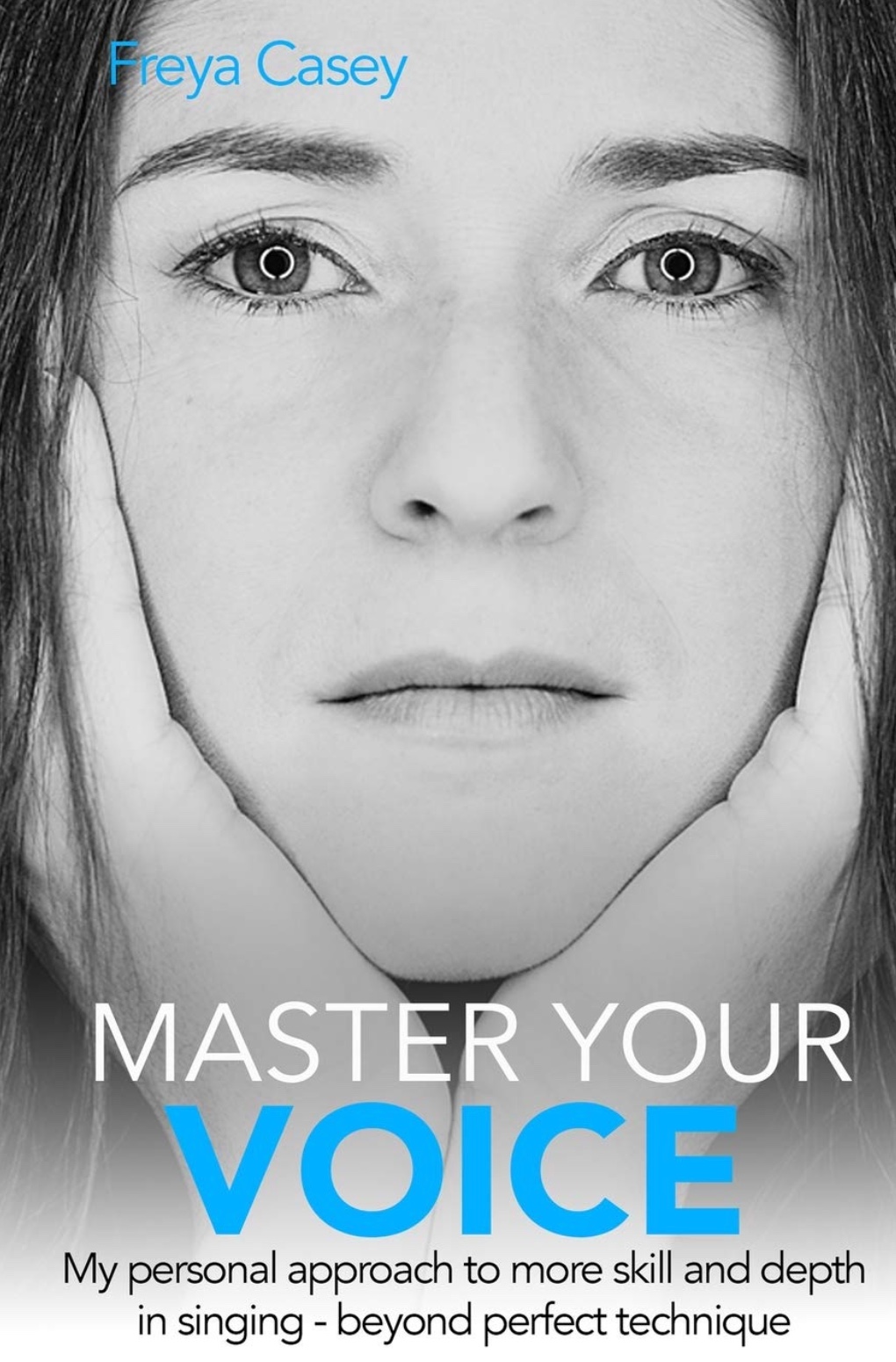
Master Your Voice (Freya Casey)
Author: Freya Casey
Subtitle: My Personal Approach to More Skill and Depth in Singing, Beyond Perfect Technique!
Rating: ~4.7 stars, 91 ratings
Verdict: Amazon: 50+ ratings. (Drop in the exact star average once you've got the listing open.)
Price: $14.95 on Amazon
The book's overview
I came ready to roll my eyes at the title, another master your voice, and instead found someone singing from my hymn sheet. Casey trained classically, did her time in opera, then spent years in cover bands all over the map, and like me she flatly refuses to treat the voice as just meat and mechanics. Her whole thesis is in the subtitle: beyond perfect technique. She opens not with diagrams but with her own story, a childhood shadowed by an alcoholic father, a deeply introverted kid who disappeared into music to survive, and the line that your voice is "a reflection of your personality, hopes, dreams, and fears." I read that and wanted to hug the book. It's the half of singing most technique manuals pretend isn't there.
The first half is pure inner game: why you sing, what "world-class" even means, whether you need a coach, how to find the thing that makes you you. Then she weaves in real, plainly-explained technique, the heavy and light mechanisms, registers and mix, larynx, resonance, vibrato, pitch, tension. It's not a method with a practice plan. It's a mentor talking, with enough real mechanics underneath that it never floats off into pep-talk.
For you?
Best for: the singer who's past square one technically but stuck on the inner stuff: identity, direction, the nerve to actually commit, and who wants a warm, been-there voice in their corner. Dreamers especially. She is relentless about permission and grit.
Skip it if: you want a structured, do-this-then-that method with exercises and a practice plan. That's deliberately not this book. Experienced singers may find the technique chapters familiar ground, and if your block is raw fear rather than ambition, her "reach for the stars" register can feel pitched at someone already halfway up the mountain.
On its own terms: it does exactly what it sets out to, depth over drills. She's upfront that this is beyond technique, and she does the identity-and-mindset work with real warmth and decades of lived authority behind it. Readers who came for inspiration leave happy, and the audiobook in her own voice is a real bonus.
Our take
Casey and I are cut from the same cloth. Classically trained, contemporary at heart, both certain the mind matters as much as the muscles. Where we split is who we're talking to. Hers is a fire-up-the-ambition book for the singer chasing world-class. Mine starts further back, with the person too frightened to make a sound at all. So I'd press this into the hands of the singer who already knows they want it and needs the mindset and spine to chase it, and reach for something gentler for the one still humming in the empty bus shelter, terrified to be heard. On its own ground, it's generous, sincere, and refreshingly unembarrassed about the soul of the thing.
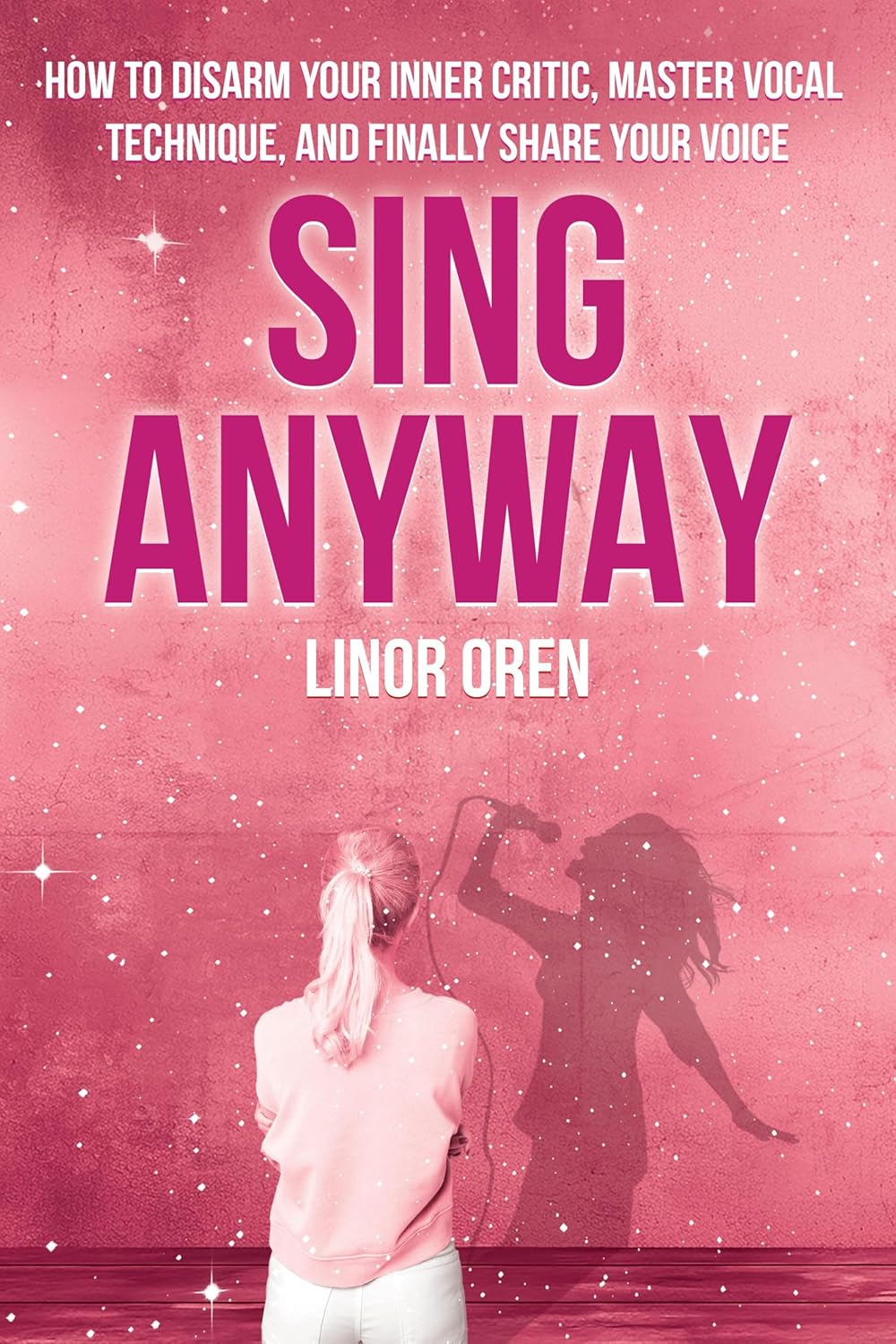
Sing Anyway
Author: Linor Oren
Subtitle: How To Disarm Your Inner Critic, Master Vocal Technique, And Finally Share Your Voice
Rating: ~4.9 stars, 33 ratings
Verdict: What I set out to make is the fuller journey that begins where a gentle fear book like Salwen's opens the door. Not just get past the fear, but here's the whole road after it, with the body and the voice rising together. Early readers keep naming the empathy of the Little Mouse framing, the practicality of the Sticks in the Wheel, and the oddly comforting "blanket trick," which tells me the braid is landing the way I hoped.
Price: $16.99 on Amazon, also a Kindle Edition
The book's overview
Let me get the obvious out of the way. I wrote this one, so I'm the last person who can hand you an unbiased verdict. What I can do is tell you what it's for and let you decide. I wrote Sing Anyway for the person I used to be, the girl who hummed to herself in empty bus shelters until she was twenty-one because she'd absorbed the idea that her voice wasn't allowed out. I call that person the Little Mouse: someone living "on mute," not because they can't sing, but because somewhere along the way they were told they couldn't, and believed it. I trained classically, conservatory, then a run in Phantom of the Opera in Germany, and left that world frustrated that it drilled the instrument while ignoring the frightened human holding it. This book is my attempt to put the human back in.
So it braids together three things most books keep apart: the fear, the body, and the technique. There's the inner work: the Little Mouse, the five levels of fear, the "Sticks in the Wheel" that jam your singing (mental and physical both), the Non-Stop Principle. There's the bodywork I lean on hardest, Alexander Technique and yoga, breath and movement, because in my experience the voice frees when the body does. And there's real, practical technique once the path is clear. Four parts, twelve chapters, meant to be walked in order.
For you?
Best for: the Little Mouse, the person who's been told they can't sing and wants more than a pep talk: to clear the fear and then actually build the voice, with body and mind kept together the whole way. If you've bought technique books before and bounced off them because the fear was never the part they addressed, this was written for exactly that bounce.
Skip it if: you want pure mechanics and nothing else. If "just give me the exercises" is your whole ask, my braiding of fear, body, and technique will read as detours, and you'd be happier with a straight technique book. It's also less essential if you're already an easy, fearless performer. And being new, it doesn't yet have a deep wall of reviews to reassure you. That one I can only ask you to take on faith for now.
Our take
I can't review my own book, so I'll just tell you the conviction under every page. Being told you can't sing is a wound, not a fact, and it makes me angry on your behalf. Clear that first, and the voice follows. It was never actually missing. If that's the fight you're in, this is the book I wish someone had handed twenty-year-old me in that bus shelter. Whether it's the right one for you, only you can say. And I'd rather you found your match somewhere in this whole list than simply took mine on trust.
Memoirs: The singer's life
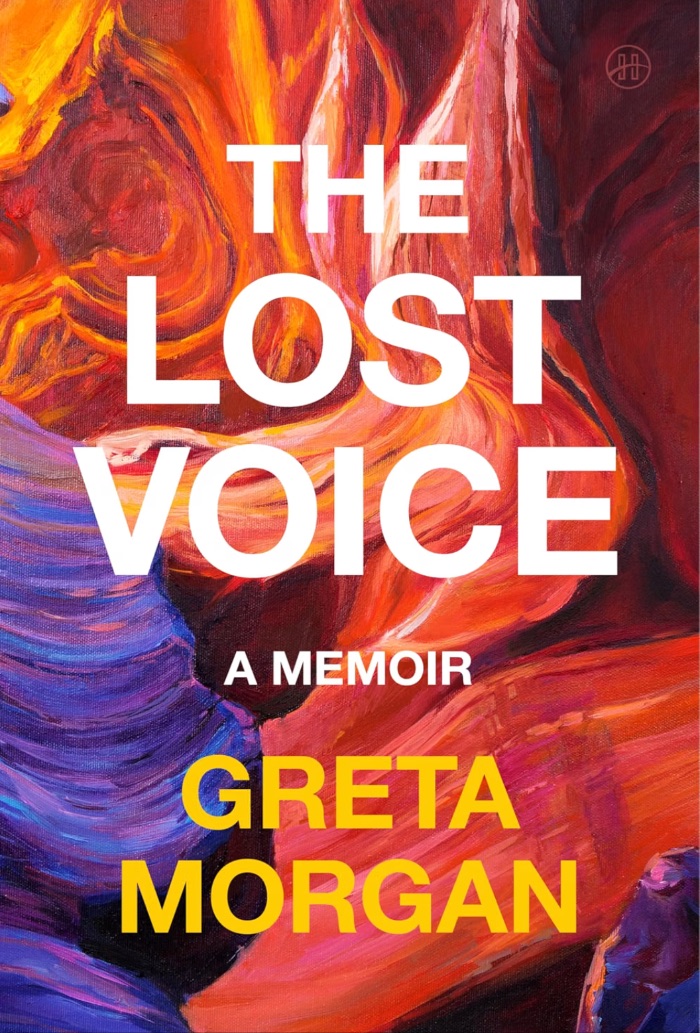
The Lost Voice
Author: Greta Morgan
Subtitle: A Memoir – A Tenacious Musician's Journey Through Spasmodic Dysphonia, Grief, and Rediscovering Her True Artistic Voice
Rating: ~4.9 stars, 50+ ratings
Verdict: This isn't a singing manual, and that's exactly why it belongs here. Morgan loses the instrument on which she has built her career and much of her identity. She has to work out whether being a singer, an artist — even being herself — survives when the familiar voice doesn't. It's beautifully written. Painful to read sometimes, and very relatable to singers. More so than another celebrity memoir full of backstage stories could be.
Price: Around 15 dollars on Amazon, also a Kindle Edition
The book's overview
Greta Morgan had been making music professionally since she was a teenager. She fronted The Hush Sound, Gold Motel and Springtime Carnivore, recorded several albums and later toured with Vampire Weekend. Singing wasn't just something she did; by her thirties, it was her identity basically.
Then, after getting Covid in 2020, her voice started to go wrong. She was eventually diagnosed with spasmodic dysphonia, a neurological voice disorder. The book is less about the diagnosis itself than about what happens when the thing you've built your life around suddenly isn't available anymore. Morgan relates how she goes through doctors, treatments and attempts to get her old voice back. Gradually it dawns that the real challenge changes from "How do I fix this?" to "Who am I if I can't be the singer I was?"
That's also what seems to hit readers hardest. People with voice disorders recognise the grief and the strange sense of losing part of your identity, while musicians and artists respond to the broader question underneath it. You don't have to lose your voice completely to understand that fear; any singer who's ever tied too much of their sense of self to what their voice can do will probably recognise something here.
For you?
Best for: singers whose voice is tied closely to their identity, especially those dealing with injury, illness, ageing or unexpected vocal change. It’s also a strong read for working and aspiring musicians. As the bigger question — who am I if my voice changes? is worth contemplating.
Skip it if: you've landed on this page because you want exercises for breath support, range or your mix. There are none. This is a memoir, not a method, and you'll learn far more about what it means to have a voice than how to operate one. And if you're after a straightforward rock-star memoir, know that Morgan goes much further inward than backstage gossip: grief, spirituality, meditation, identity and the search for meaning are the real centre of the book.
Our take
'You never know when it's the last time. [...] I somehow never expected that there would be a last time that I would sing with a steady, reliable voice.' These are lines from the opening paragraph of the book. Just reading this made me realize how fortunate we all are to have a singing voice. We should remind ourselves of that. A poignant message, very well-written and with a hopeful ending.
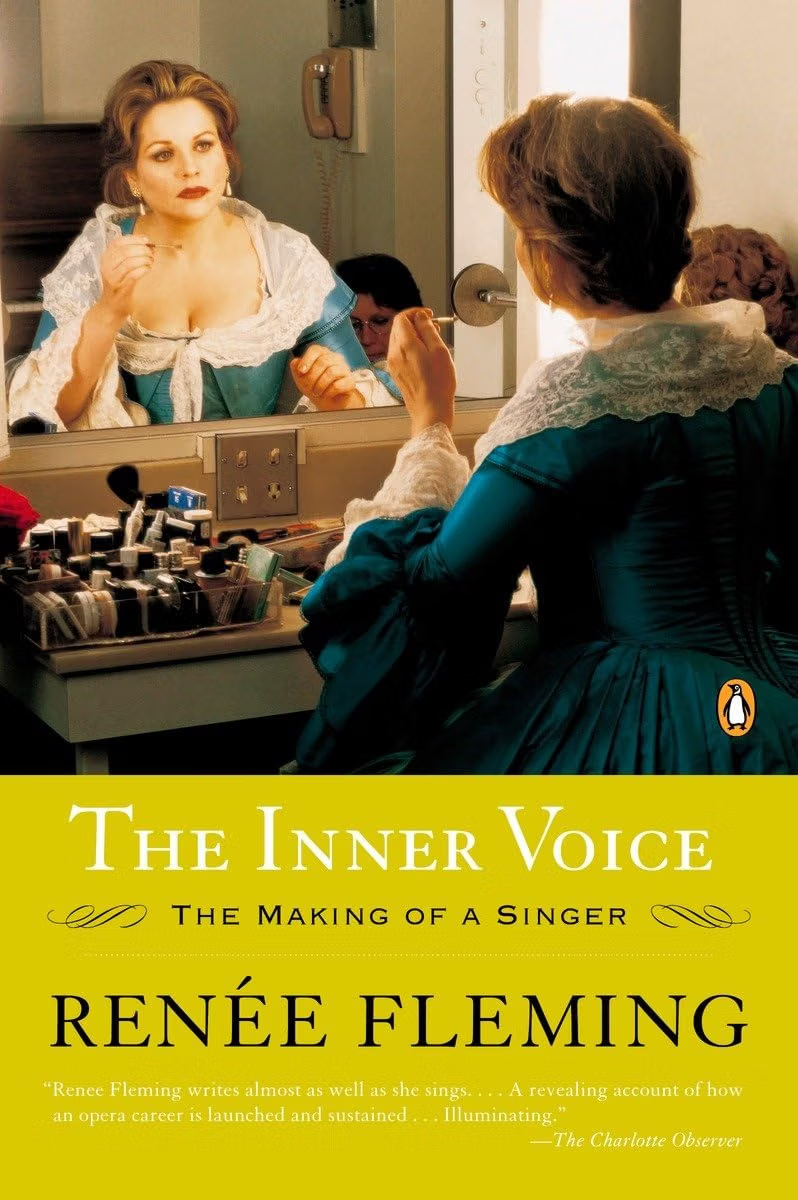
The Inner Voice
Author: Renée Fleming
Subtitle: The Making of a Singer
Rating: ~4.7 stars, 300+ ratings
Verdict: I read this book years ago and loved it. Fleming gives you an unusually honest look at what it takes to become — and remain — a world-class singer: the training, the technique, the failures, the nerves, the career decisions and the sheer amount of work behind a voice that sounds effortless.
Price: About $15 on Amazon, also a Kindle Edition
The book's overview
Fleming calls this not the story of her life, but the “autobiography of my voice,” and that is exactly what it is. She traces her development from student to international opera star, but keeps returning to the practical stuff singers care about: teachers, technique, repertoire, auditions, stage fright, preparing roles and keeping a voice healthy over a long career.
She writes openly about failed auditions, self-doubt, panic attacks and the constant tweaking even an elite singer has to do. Other singers clearly recognise that too: reviewers repeatedly describe it as part memoir, part masterclass, even something close to a textbook for aspiring professionals.
For you?
Best for: serious singers, singing students and anyone curious about what a professional singing career actually looks like from the inside. Especially useful if you like learning technique through another singer's experiences rather than through a step-by-step method.
Skip it if: you want a beginner exercise book. It can also get fairly technical in places; even one positive reviewer noted that the vocal detail made it something to read in small doses.
Our take
I loved this book when I first read it, and my original Amazon review was basically: fascinating, informative, and if you're a singer, go read it. I still stand by that.
What stayed with me is how thoroughly Fleming dismantles the idea that great singers simply open their mouths and great singing happens. At her level, the voice still needs attention, adjustment and work. I find that enormously reassuring — and probably more useful to a singer than any amount of diva mythology.
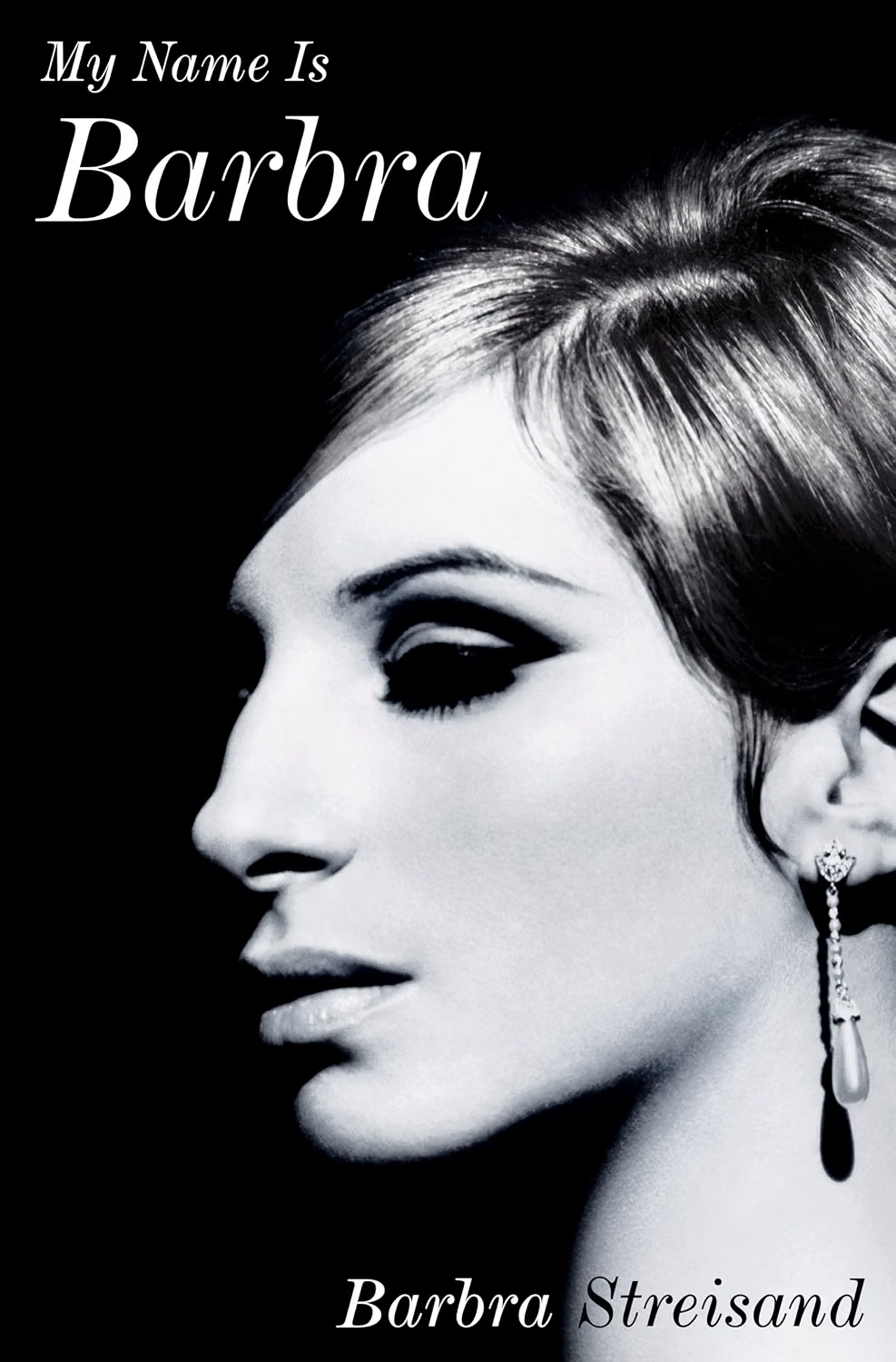
My name is Barbra
Author: Barbra Streisand
Rating: ~4.6 stars, 8000+ ratings
Verdict: Huge, funny, obsessive and very Barbra. But for singers, one of the most interesting threads is her stage fright. Here is one of the most famous performers in the world describing fear that became so strong she sometimes avoided live performance altogether.
Price: About $19 on Amazon, also a Kindle Edition
The book's overview
Streisand tells almost everything: Brooklyn, auditions, Funny Girl, films, albums, relationships, directing, clothes, food, politics. She is incredibly detailed, sometimes wonderfully so and sometimes to the point of exhaustion. Even positive readers tend to mention the sheer length; more critical ones complain that the later sections become bogged down in project-by-project detail.
For singers, though, there is another story running underneath it. Barbra Streisand was super self-assured about her artistic instincts and at the same time deeply insecure about being judged. Readers pick up on the contradiction: the woman who would argue with directors and refuse to do something she didn't believe in could also be frightened of performing in public. The book also makes clear how much control mattered to her, and why: when you don't feel safe, controlling the conditions around you can become a way of making performance possible. One reviewer who had previously dismissed her as a diva came away understanding that need for control as protection rather than simple ego.
For you?
Best for: singers interested in stage fright, perfectionism and the psychology behind performance. Barbra shares a lot of her stage fright experiences, which is fascinating to read. It is especially fascinating if you've ever wondered how someone can be wildly successful and still be frightened of being heard.
Skip it if: you want a focused singing memoir. At nearly 1,000 pages, this is everything Streisand wanted to say about everything, and some readers specifically wished she'd spent much more time on her singing and voice.
Our take
What I find most useful here is the contradiction that Streisand could have enormous confidence in her taste and still have very little confidence in herself as a performer. Those are not the same thing.
And that is why the stage-fright material in the book is so good. Success didn't cure the fear and talent didn't either. If anything, the book shows how fear can sit right beside excellence for decades. For singers who keep thinking, I'll stop being nervous once I'm good enough, Streisand is a pretty spectacular counterexample.
No longer a little mouse...
Maybe you feel it's time to stop shushing your own voice. My weekly 'Belting Mouse' mail shows you how to. It gets you on track with stories and insights from my life as a singer and that of my students.

For 'little mice' who are tired of squeaking and want to start belting...
Frequently Asked Questions
What is the best singing book for complete beginners?
For complete beginners, I'd recommend Sing Anyway, as the psychology part is so vital for insecure beginners. Beginning Singing by John Henny, Set Your Voice Free by Roger Love, and Master Your Voice by Matt Ramsey are also excellent starting points. They focus on building confidence, understanding the voice, and providing practical exercises.
Which book is best if I'm afraid to sing in front of others?
If fear, anxiety, or lack of confidence is your biggest obstacle, consider:
- The Fear of Singing Breakthrough Program by Nancy Salwen
- The Art of Singing by Jennifer Hamady
- Sing Anyway by Linor Oren
These books focus on overcoming emotional barriers and performance anxiety.
I want to start singing but have no idea where to begin. Which book?
If you're starting from scratch, you want a warm on-ramp rather than a textbook. John Henny's Beginning Singing is the gentlest doorway: short, science-true, and it opens with why we stop singing rather than with breathing diagrams. Matt Ramsey's Master Your Voice gives you more structure and a lot of encouragement. And if the thing stopping you isn't really technique but the nerves, deal with the fear first (see below) before any drill book, or you'll bounce off it the way a lot of beginners do.
Which book is best if I'm afraid to sing in front of others?
This is the most common block people write to us about, and it's the one most technique books quietly skip. For the truly terrified beginner, Nancy Salwen's The Fear of Singing Breakthrough Program is the kindest place to start. Jennifer Hamady's The Art of Singing makes the case that most vocal problems are emotional, not mechanical. Sing Anyway picks up where those open the door, clearing the fear and then building the voice with the body, rather than stopping once you've made your first sound.
Can a book really help with confidence, or do I need a teacher?
A book can do a surprising amount. It can name what's happening, give you permission, and hand you exercises to do alone. What it can't do is hear you. Several of these authors say so themselves: a coach who listens and corrects in real time speeds everything up. So treat a book as the thing that gets you brave enough and informed enough to start, and a teacher as what gets you the rest of the way faster.
Which book helps with high notes, belting, and the break in my voice?
For the mechanics, Roger Love's Set Your Voice Free is built around the middle voice, the blended place that lets you travel your range without cracking. Matt Ramsey's Master Your Voice has well-loved exercises for highs without strain, and Anne Peckham's The Contemporary Singer is strong on registration. One thing worth saying: a cracking or vanishing high note is very often tension rather than a missing skill. If the note is fine at home and gone the moment someone listens, that's the fear talking, and no amount of belting drills will touch it.
What's the difference between a technique book and an anatomy book?
A technique book teaches you to sing: breath, registration, resonance, with exercises to do. An anatomy book shows you the instrument muscle by muscle but won't teach you to use it. Theodore Dimon's Anatomy of the Voice is lovely and beloved by teachers, but nearly every disappointed review comes from someone who wanted a method and bought a reference. Know which one you're after before you buy.
Do I need more than one of these books?
Probably not all of them. A couple overlap heavily, since Henny's and Ramsey's cover a lot of the same ground. The combination that serves most people is one book to clear the fear and one to build the technique, read in that order. If you find a single book that braids both, you can skip the pairing, which is part of what I was trying to do with my own.
Are these books suitable for self-study?
Many of these books are designed for self-study and include exercises, companion videos, audio recordings, or online resources. However, several authors note that working with a vocal coach can accelerate progress and provide personalized feedback.